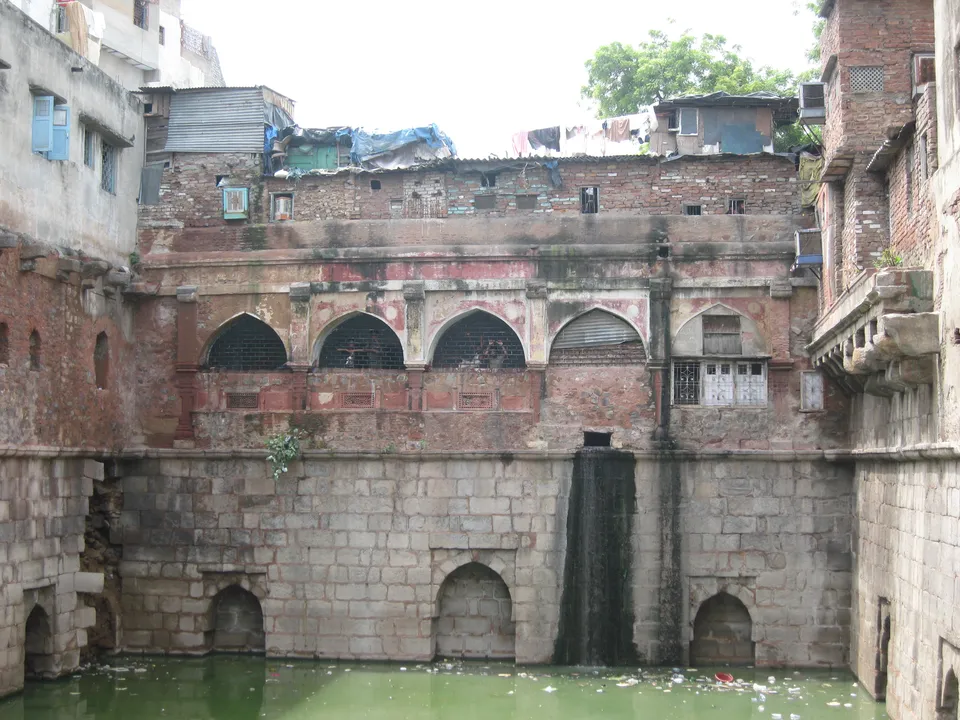
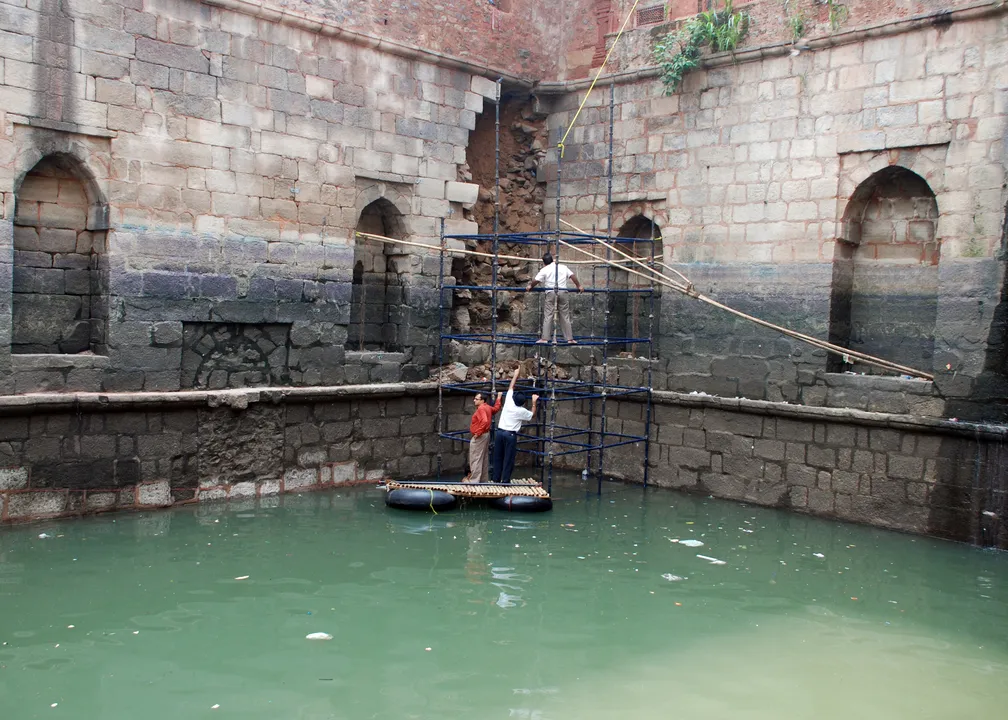
In July 2008, owing to inappropriate repairs and epoxy layers on the walls, portions of the eastern
wall collapsed.
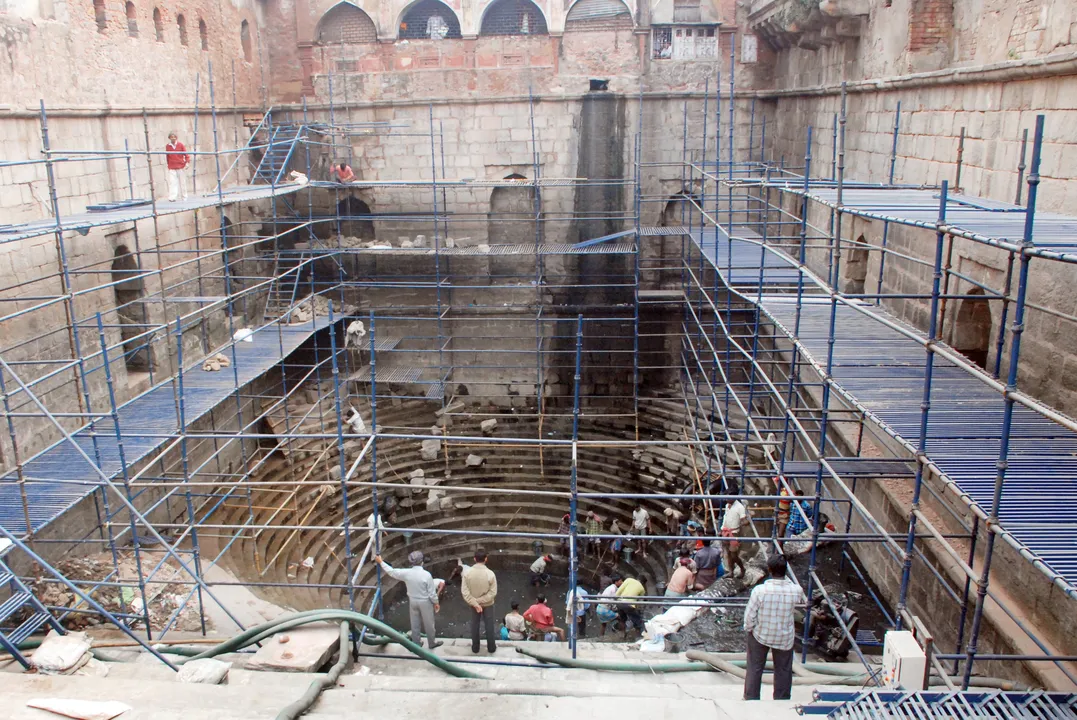
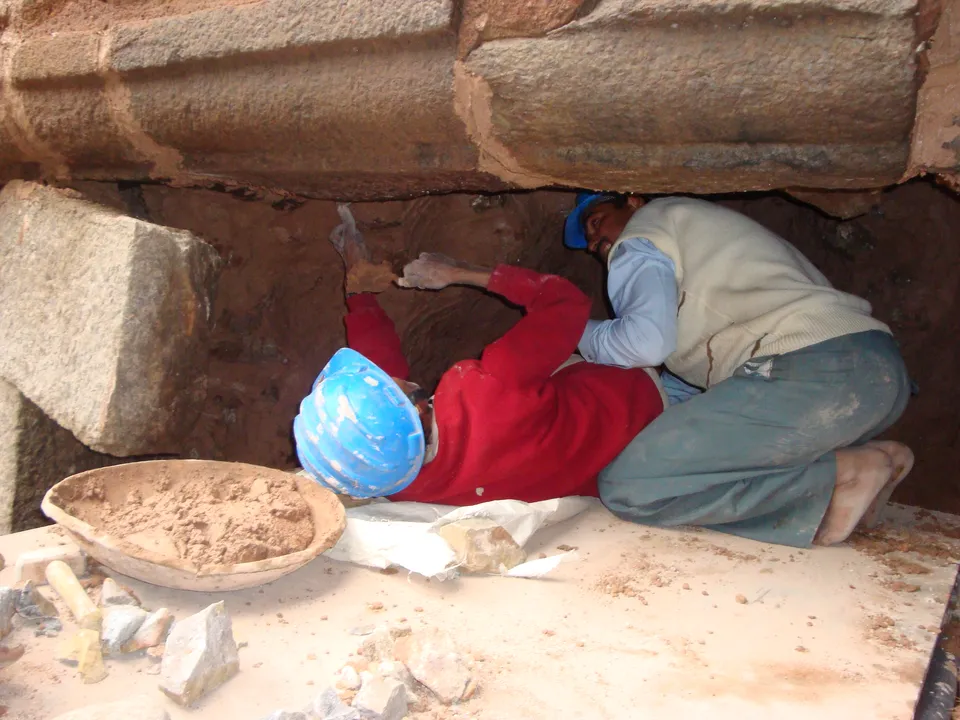
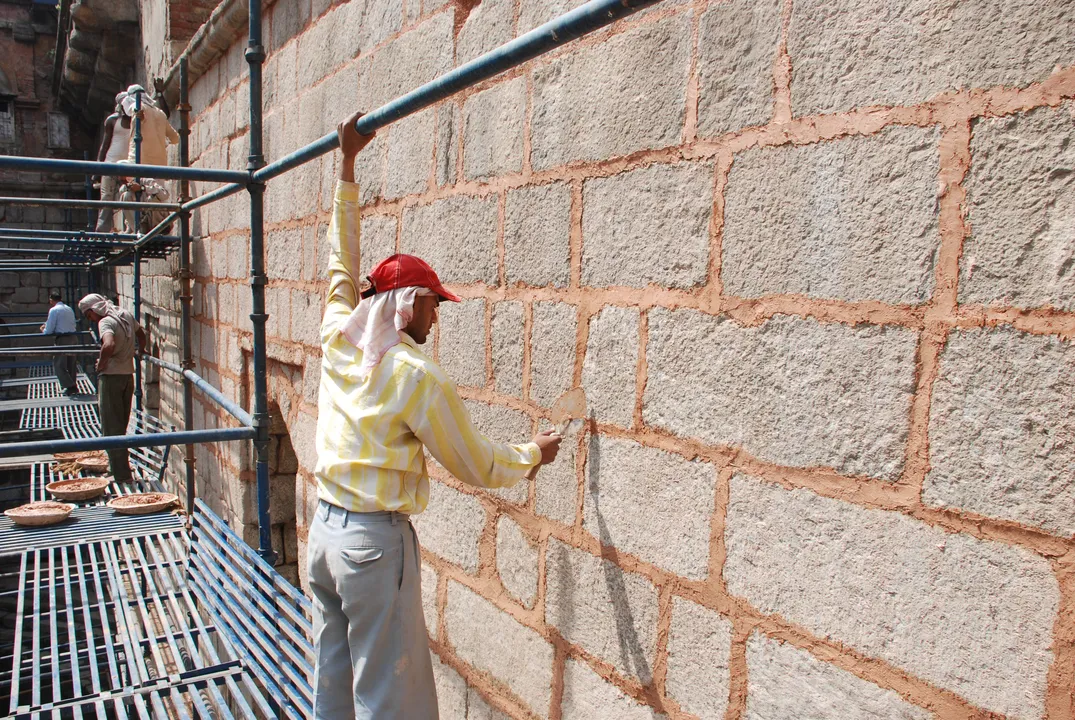
After exhaustive scientific analysis and consultation with the community, efforts to rebuild the wall
began.
The idea was not only to restore the historic structure but also to improve quality of life of
resident communities and pilgrims.
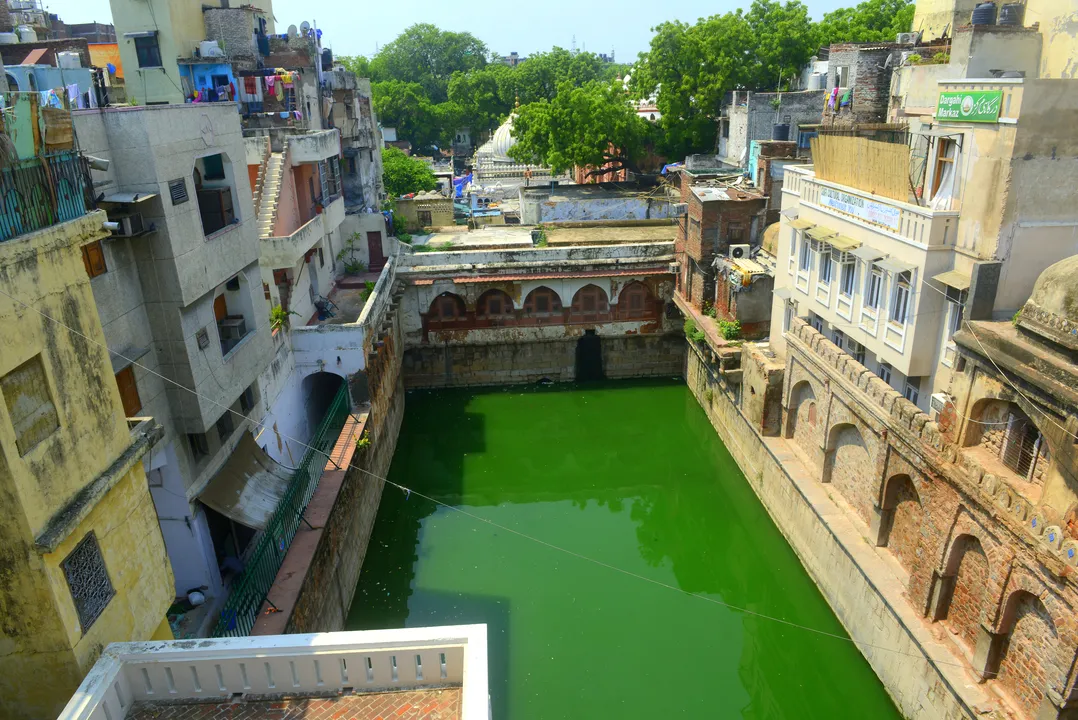
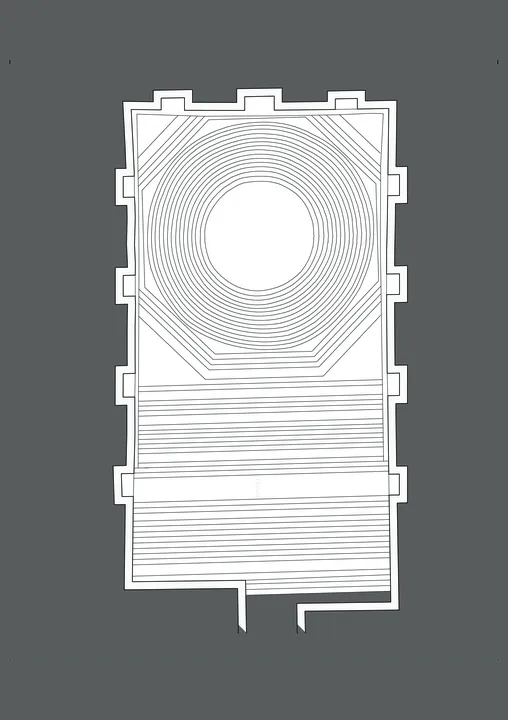
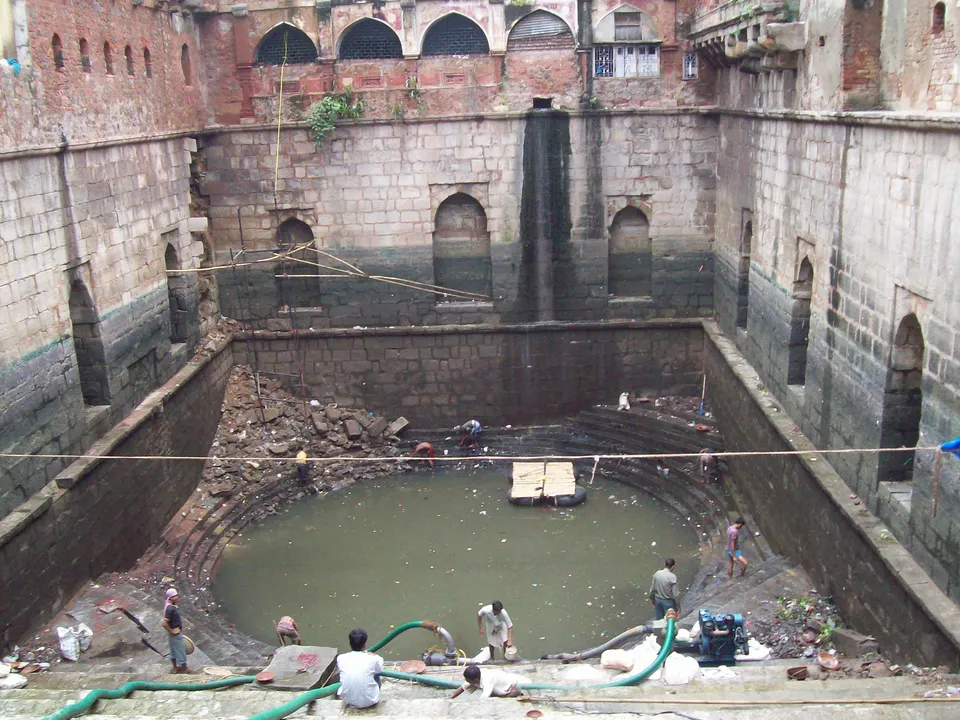
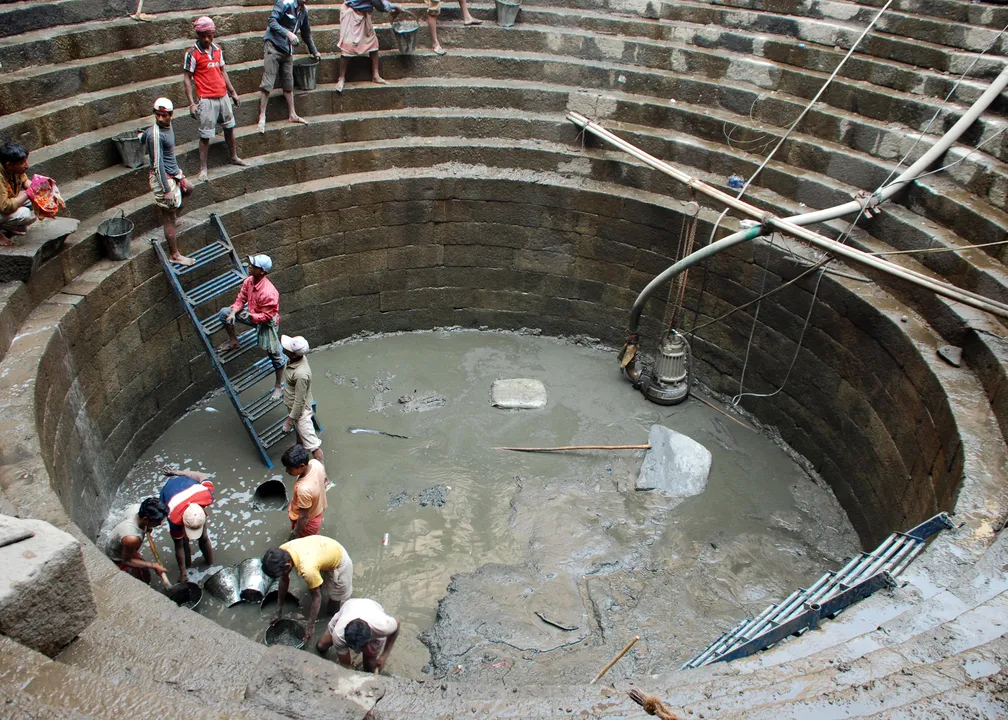
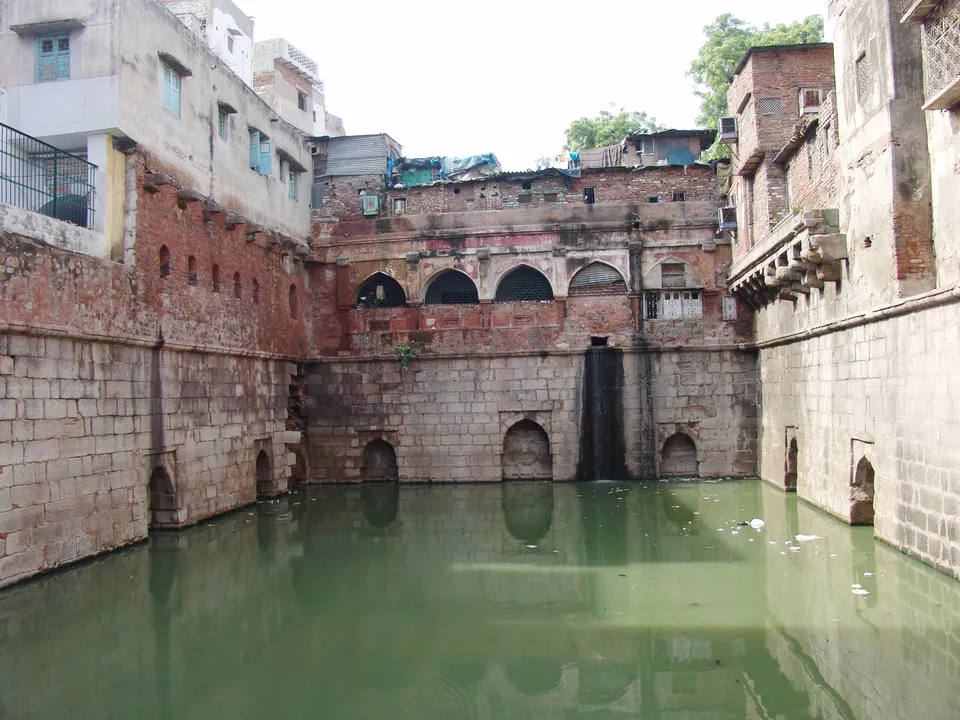
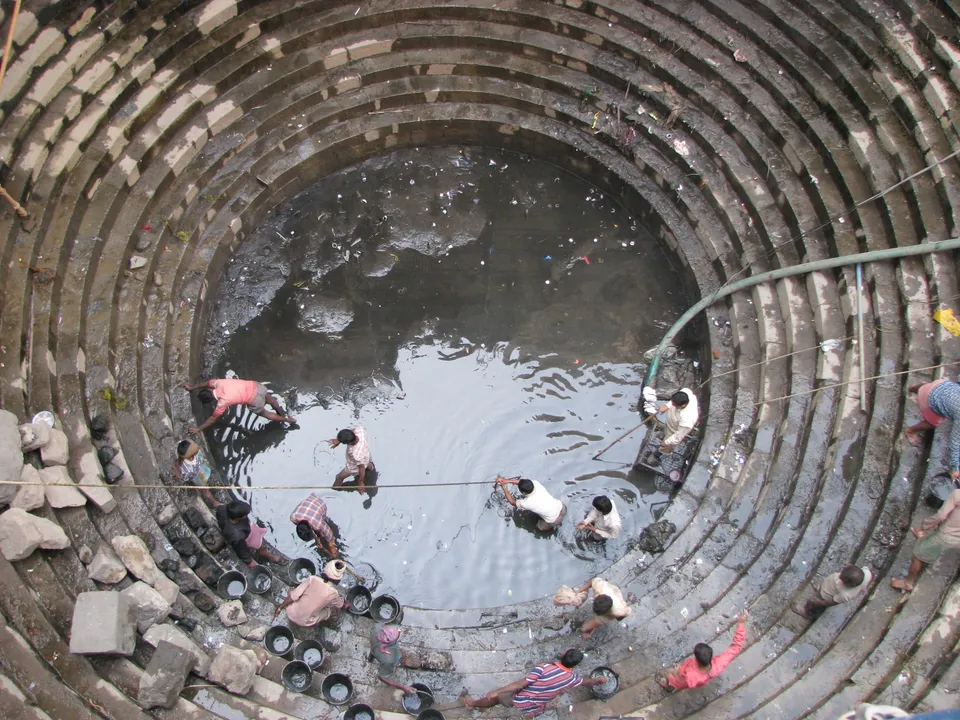
For the first time in centuries, the baoli was de-silted to its original depth of 25 metres below
ground level and major repairs including the removal of the 20th-century epoxy layer.
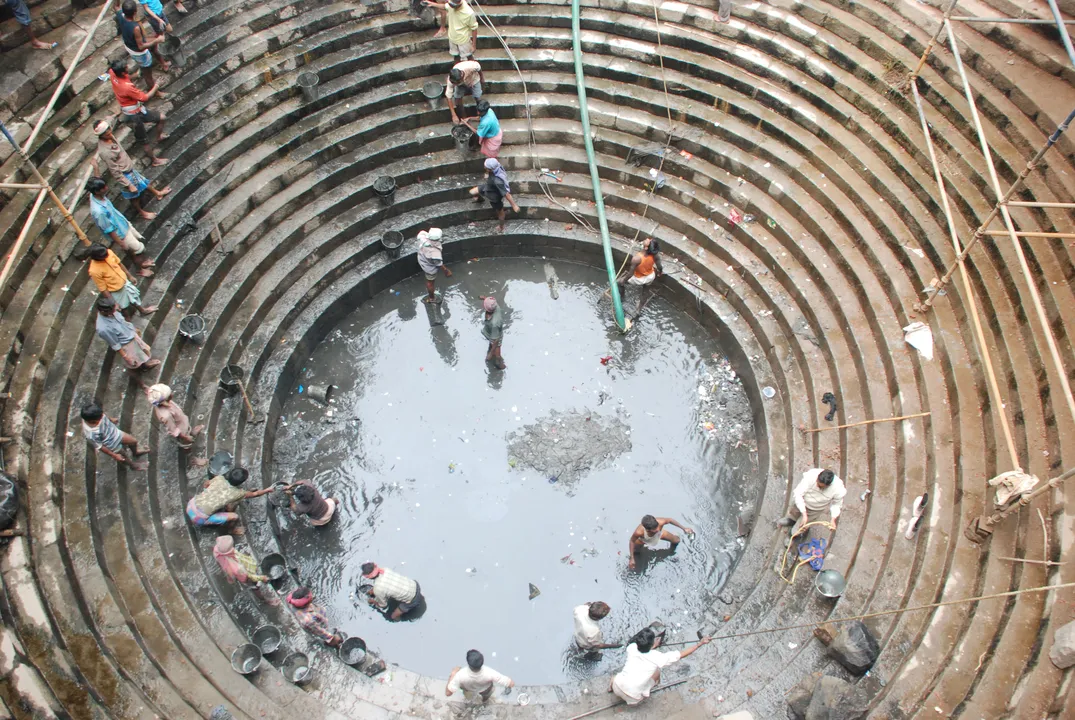
In keeping with requests from the Dargah Committee and local community, the conservation of the
collapsed portions of the Baoli was coupled with a mammoth effort to clean the stepwell of all
debris, which meant 700 years of accumulated dust, rubble, and dirt.
The manual lifting of sludge required more than 8,000 days of work.
The collapsed portion was restored with traditional materials by master craftsmen closely supervised
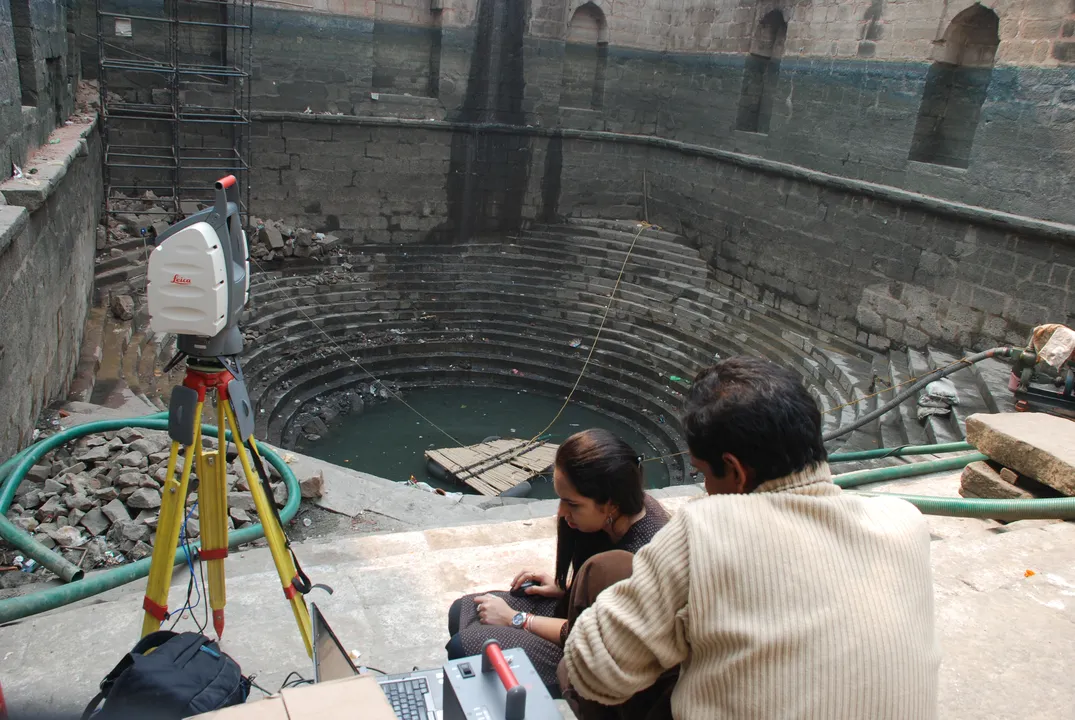
by structural engineers and architects who used state-of-art equipment to monitor the works.
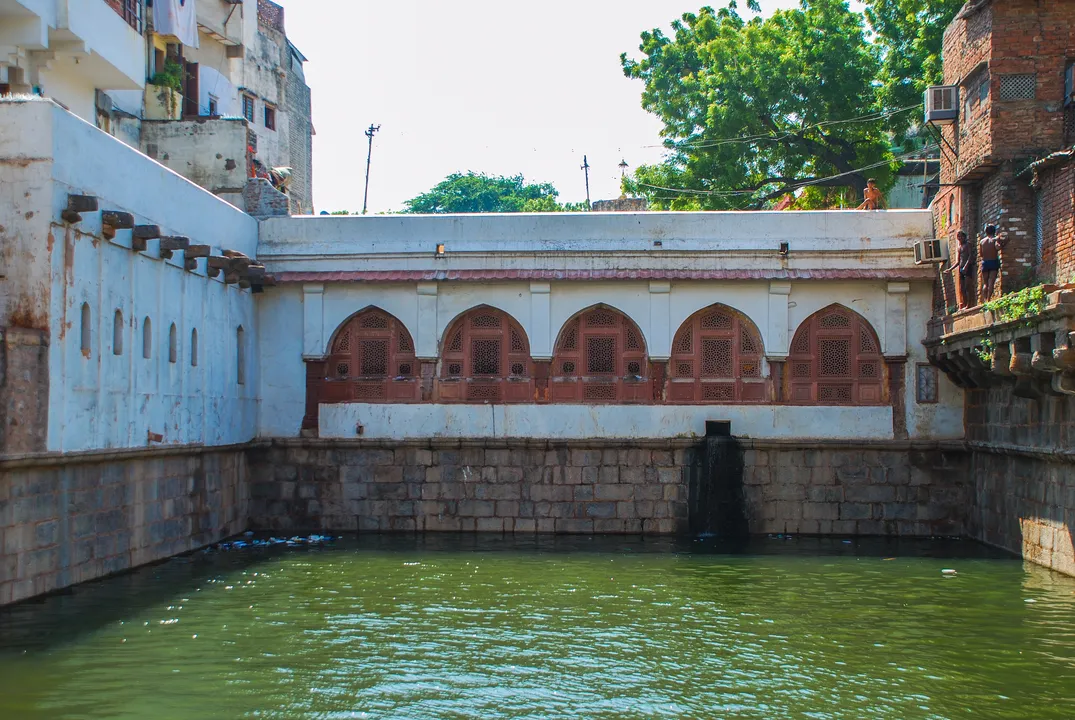
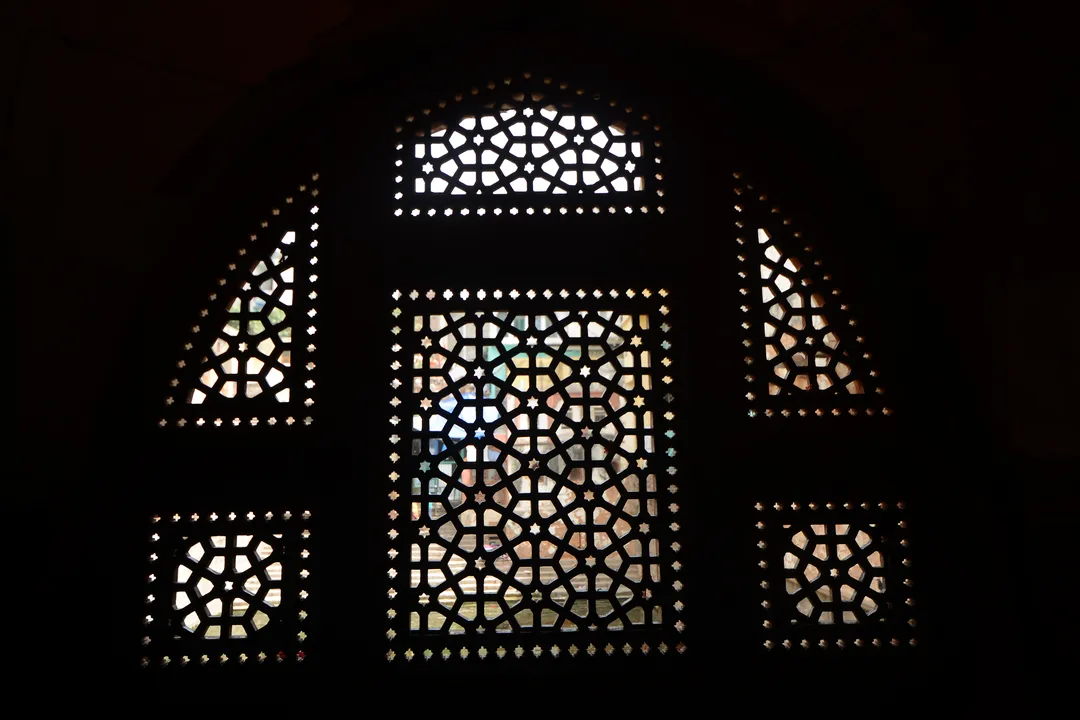
Next, the eastern corridor was renovated with marble facing and sandstone lattice screens replaced
the iron fencing of the southern arcade.
The baoli’s conservation is thus an example of a complex urban conservation project with multiple
requirements that could only be addressed by a multidisciplinary team and partnership of several
government agencies.
Baoli precinct:
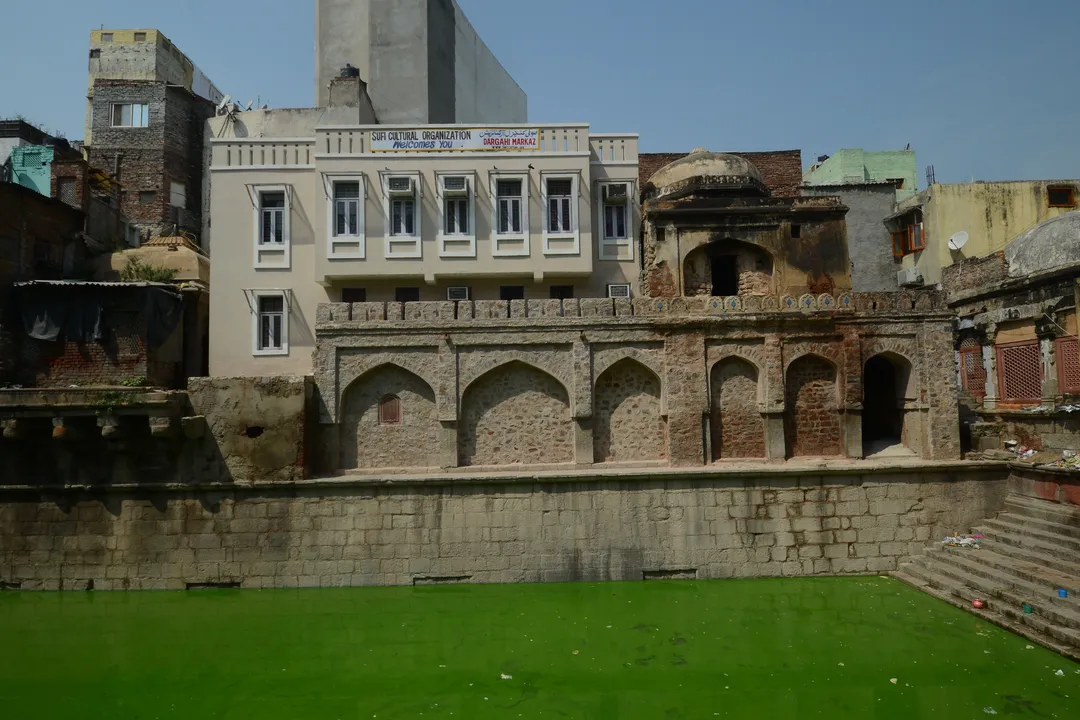
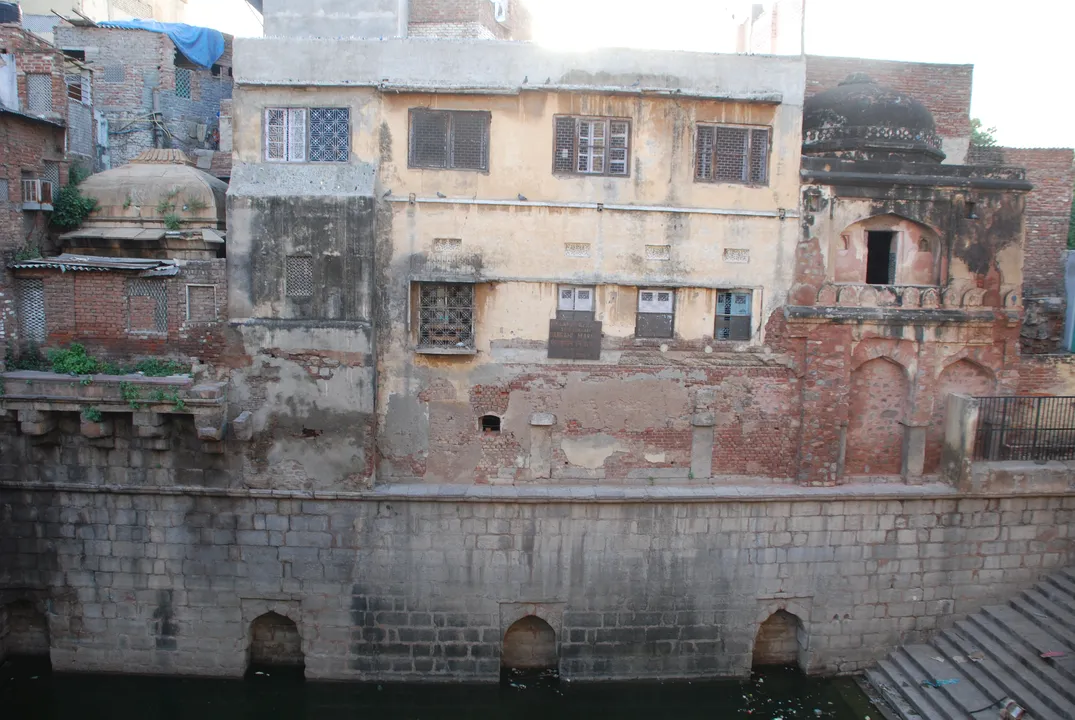
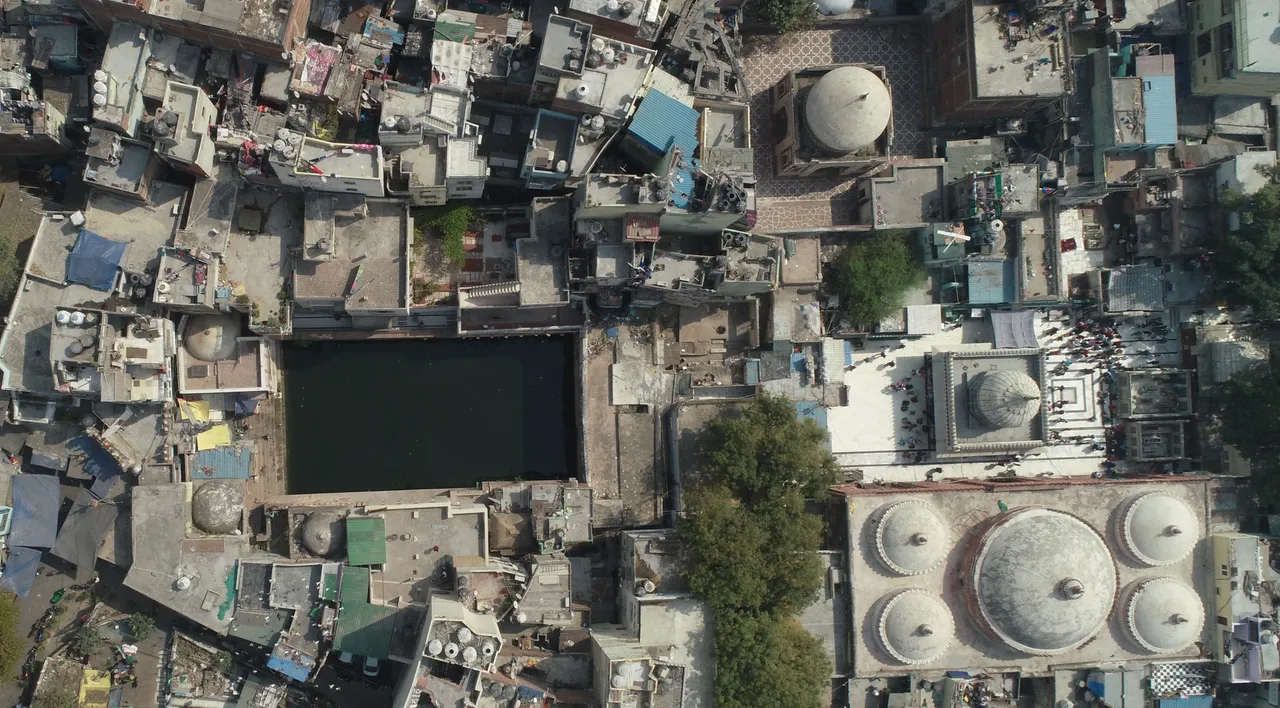
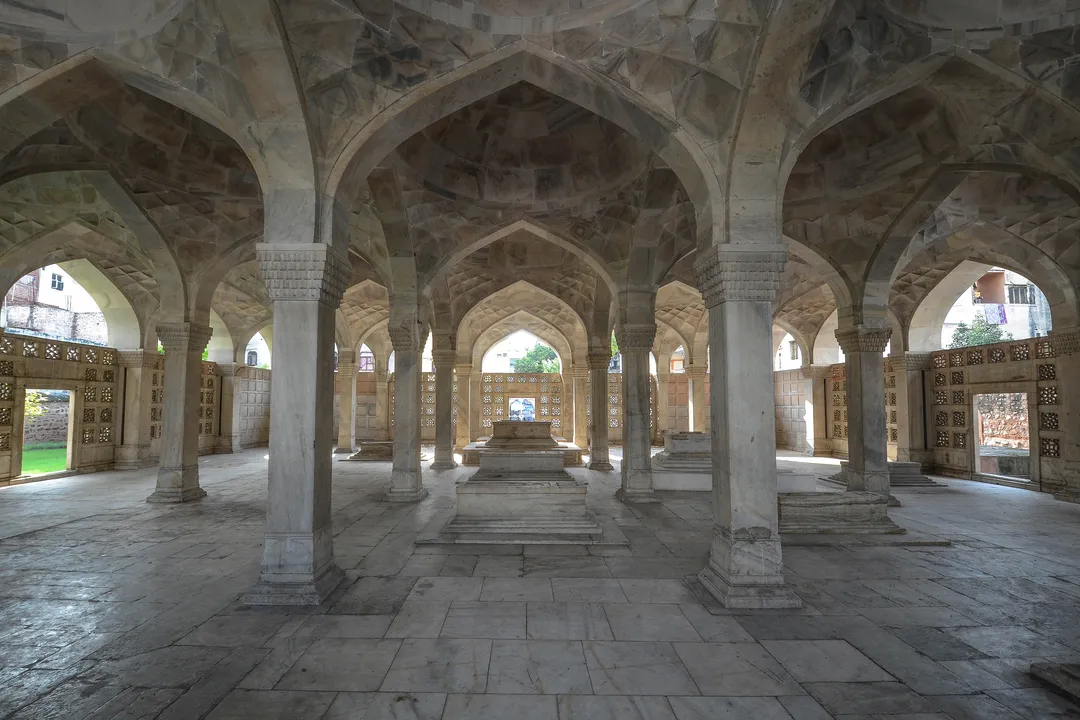
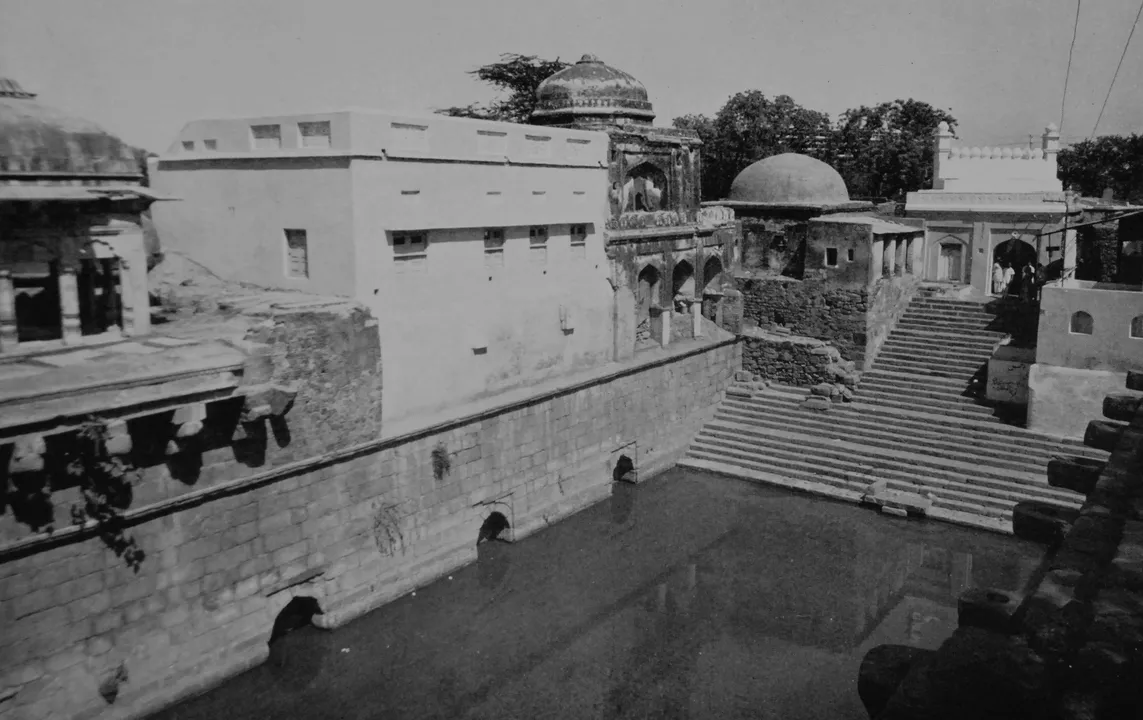
The baoli is surrounded by a number of smaller structures that form an integral part of the precinct.
Some of these were occupied or were under the private ownership of residents.
The vaulted southern arcade of the baoli is contemporary to its Tughlaq construction as are possibly
the two domed pavilions on either side of its northern edge.
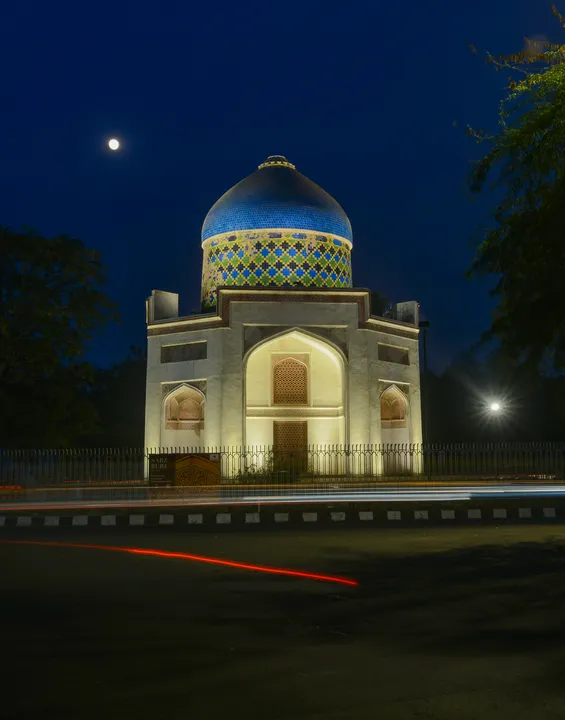
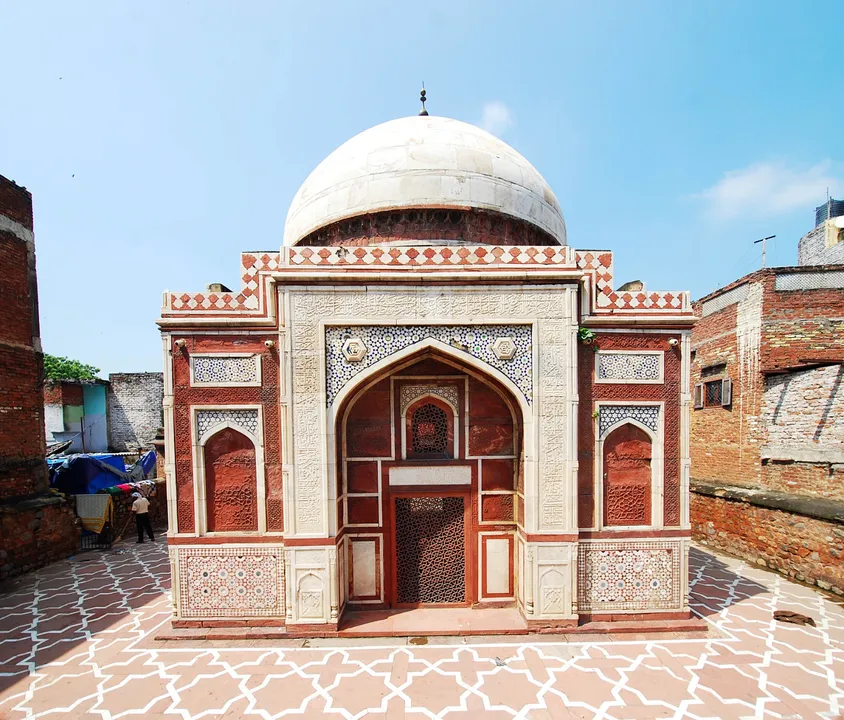
The western side of the Baoli has three monuments – Chini ka Burj, Gogabai’s Tomb, and Lal Chaubara,
while the eastern side has the vaulted corridor leading to the dargah.
After the baoli work was completed, the conservation team started working on the conservation of
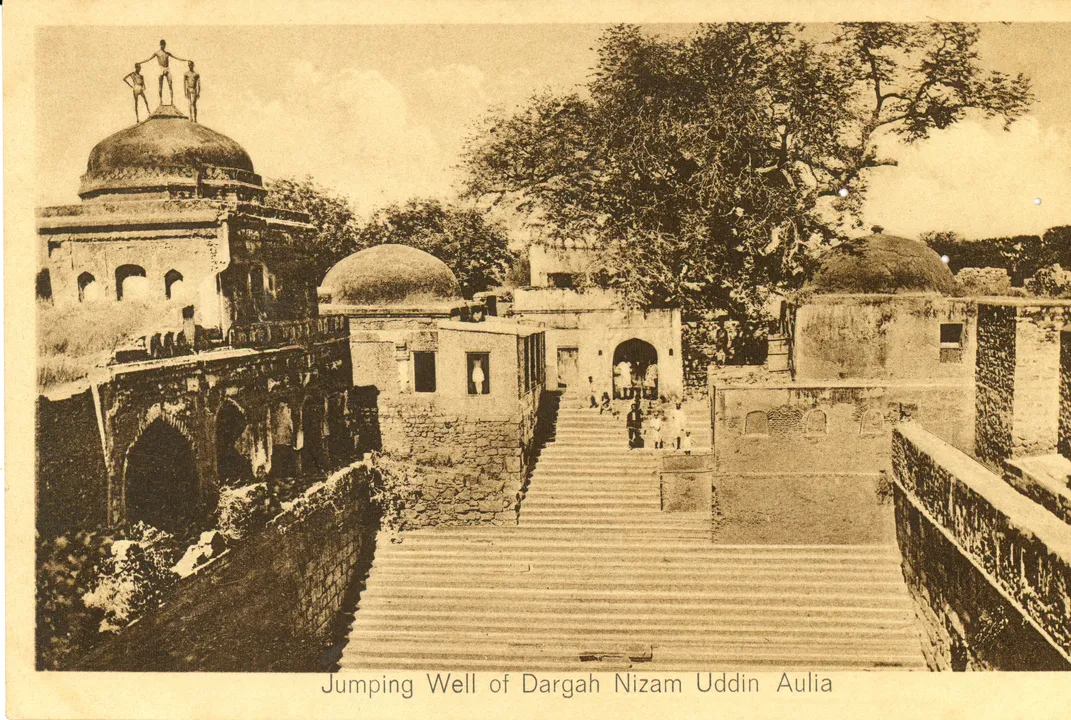
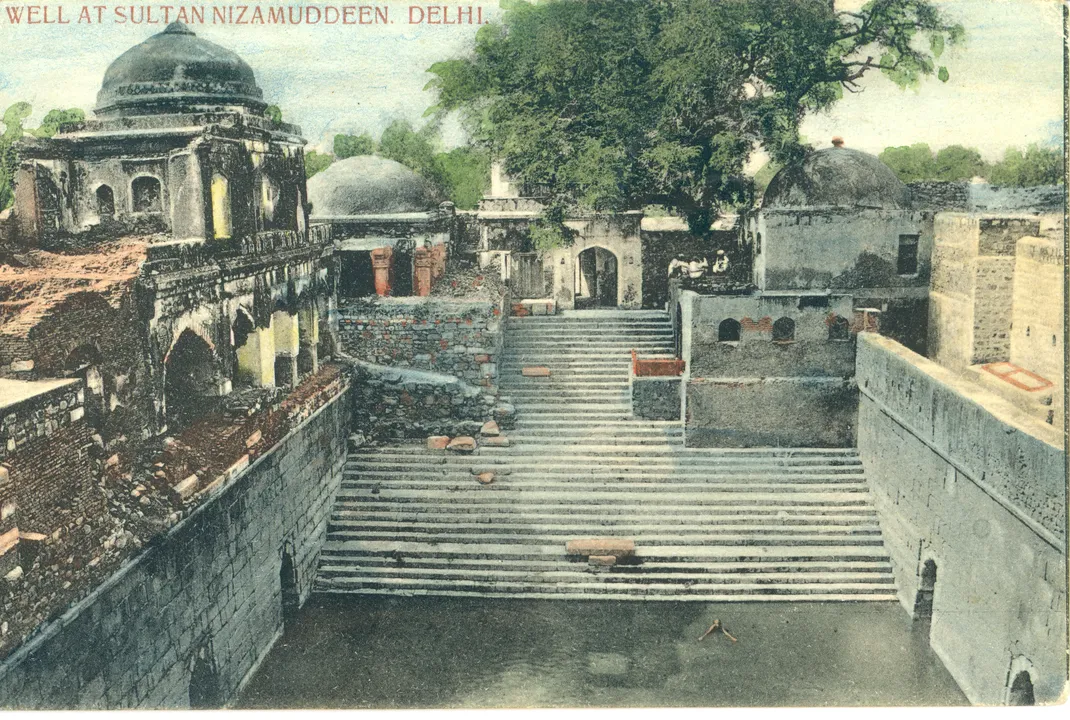
Gogabai’s Tomb and Chini ka Burj, as seen in archival images.
-in-Delhi.-Aquatint-by-and-after-Thomas-and-William-Daniell.-London,-1802.-43-x-60-cms.-copy.webp)